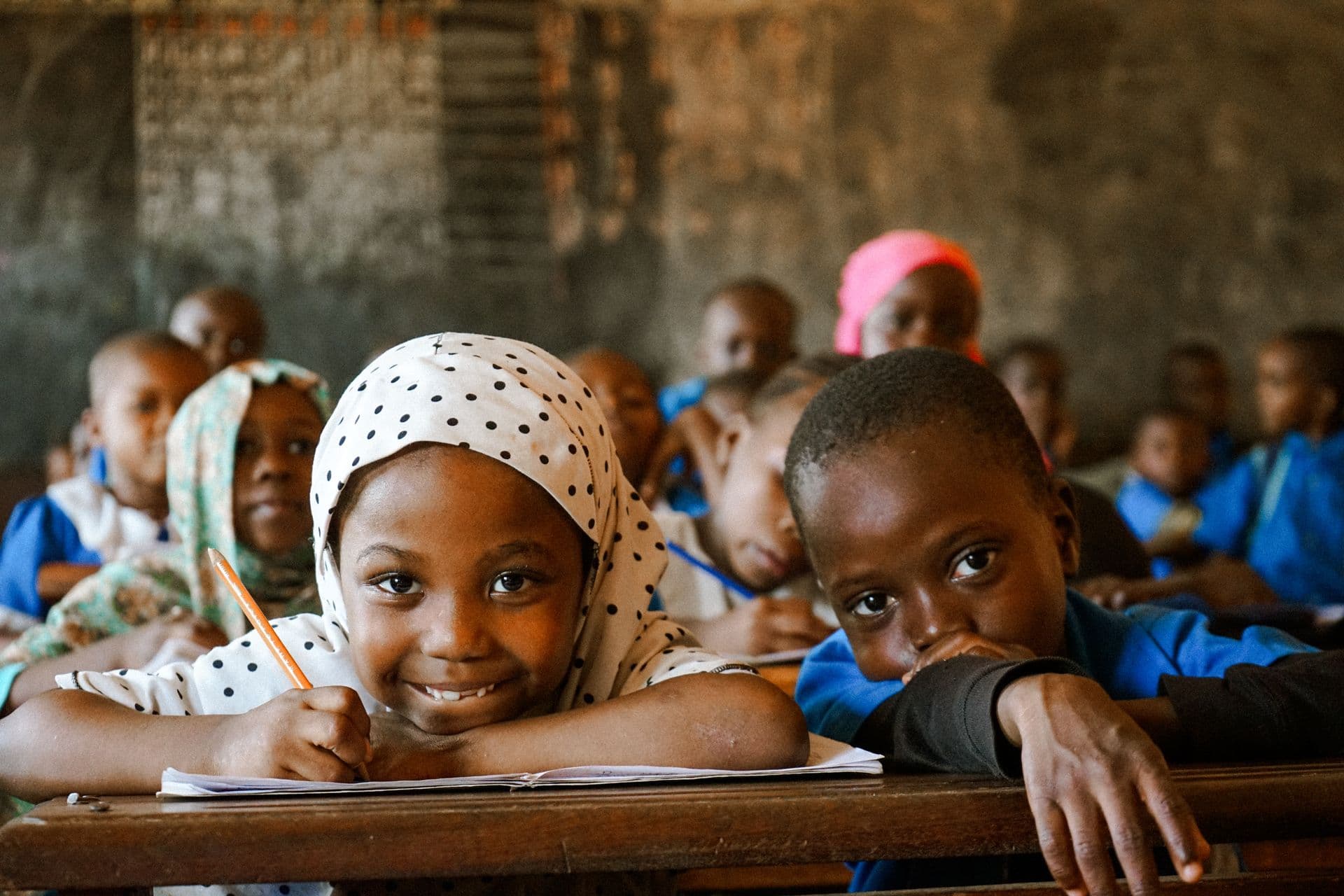
In Gakenke District, eight-year-old Grace Mukamana used to dread reading aloud in class. Today, with the help of daily decodable readers and in-class teacher phonics coaching, she not only reads signposts on her walk to school, but spends her evenings teaching her younger brother to read.
The Early Challenge: Struggling in Silence
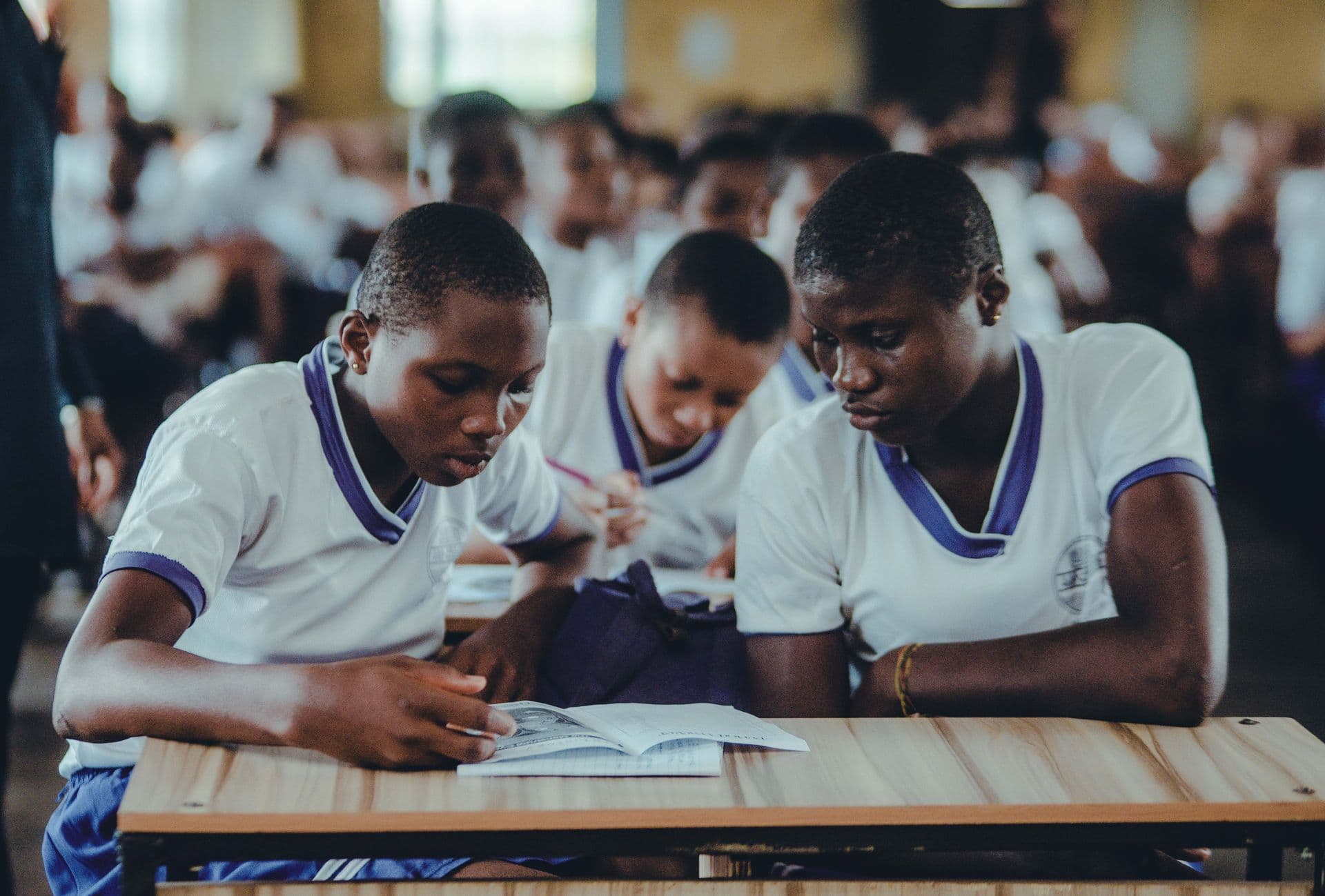
Like many children beginning primary school in rural Rwanda, eight-year-old Grace Mukamana entered Primary 2 eager to learn, but quickly found herself overwhelmed by written words. In crowded classrooms, without access to structured phonics routines or levelled reading materials, children often resort to memorizing shapes rather than understanding how sounds connect to letters.
“I used to sit at the back of the classroom,” Grace remembers. “When the teacher asked someone to read a word from the chalkboard, my heart would beat so fast. I didn't want anyone to see that I was stuck.”
“Before, when teacher asked me to read, my heart would beat fast and I would look down. Now, I raise my hand first because I know every sound.”
A New Pedagogical Routine: Sound by Sound
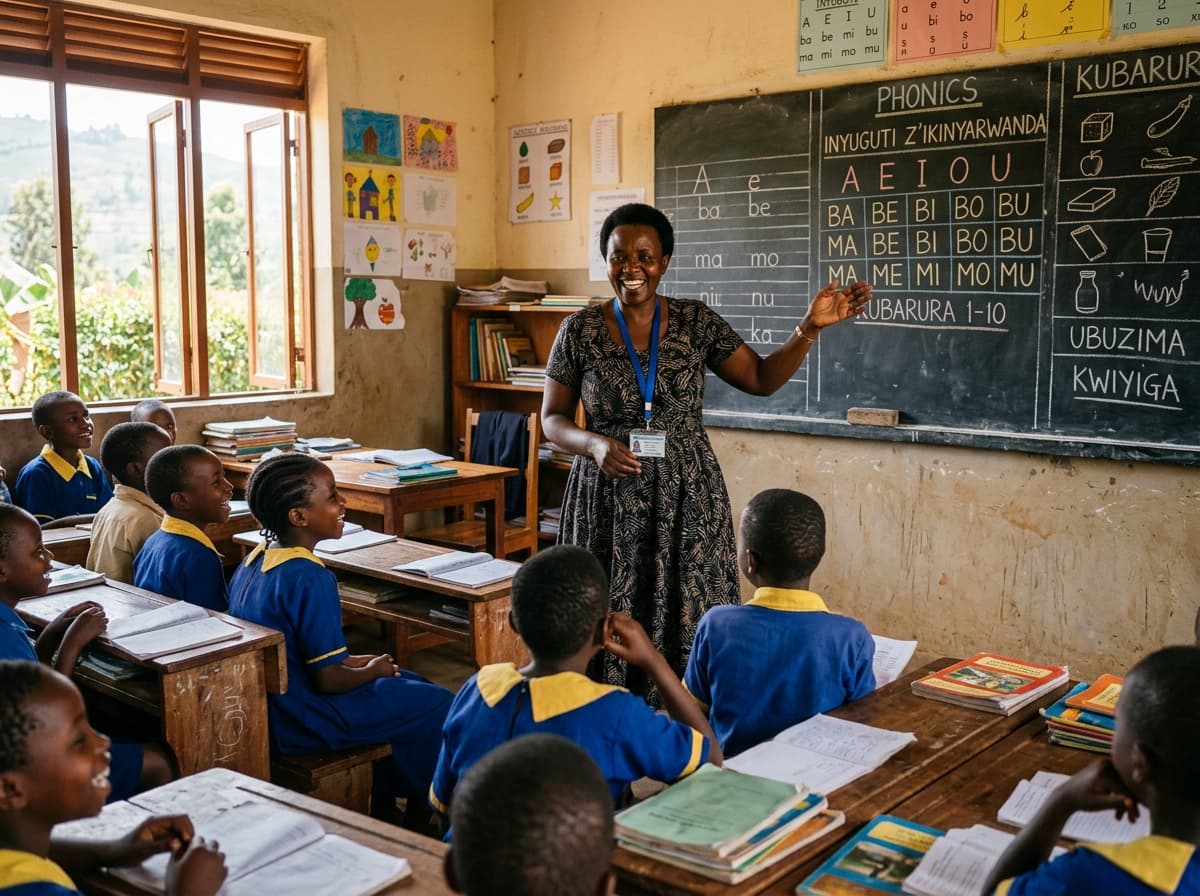
Everything changed when LIFT, in partnership with the Rwanda Basic Education Board (REB), introduced the Foundational Learning Programme to GS Gakenke. Teachers were equipped with structured, scripted 15-minute daily phonics drills and colourful, graded Kinyarwanda decodable readers.
Instead of memorizing entire paragraphs by heart, pupils learned to isolate individual phonemes, blend consonant-vowel combinations, and practice with decodables matched precisely to their reading ability. Each child received their own reader to hold, turn pages, and trace letters with their fingers.
A Teacher's Perspective: Seeing Confidence Take Root
Grace’s teacher, Solange Nyiranzeyimana, noticed an immediate shift across her 48 pupils. “Grace was quiet and often hid behind her desk when I called on pupils to read,” Solange explains. “Within six weeks of daily phonics routines, her eyes lit up. Once she understood that every letter has a voice, decoding became a game she wanted to win.”
Through bi-weekly coaching visits from district pedagogical inspectors, Solange learned new techniques to group children by reading stage, giving targeted help to struggling readers while allowing faster readers to advance into levelled chapter books.
“When children learn to decode phonetically rather than memorize shapes, reading ceases to be terrifying. Grace went from recognizing three letters to reading full sentences in just six weeks.”
From the Classroom to the Village Road
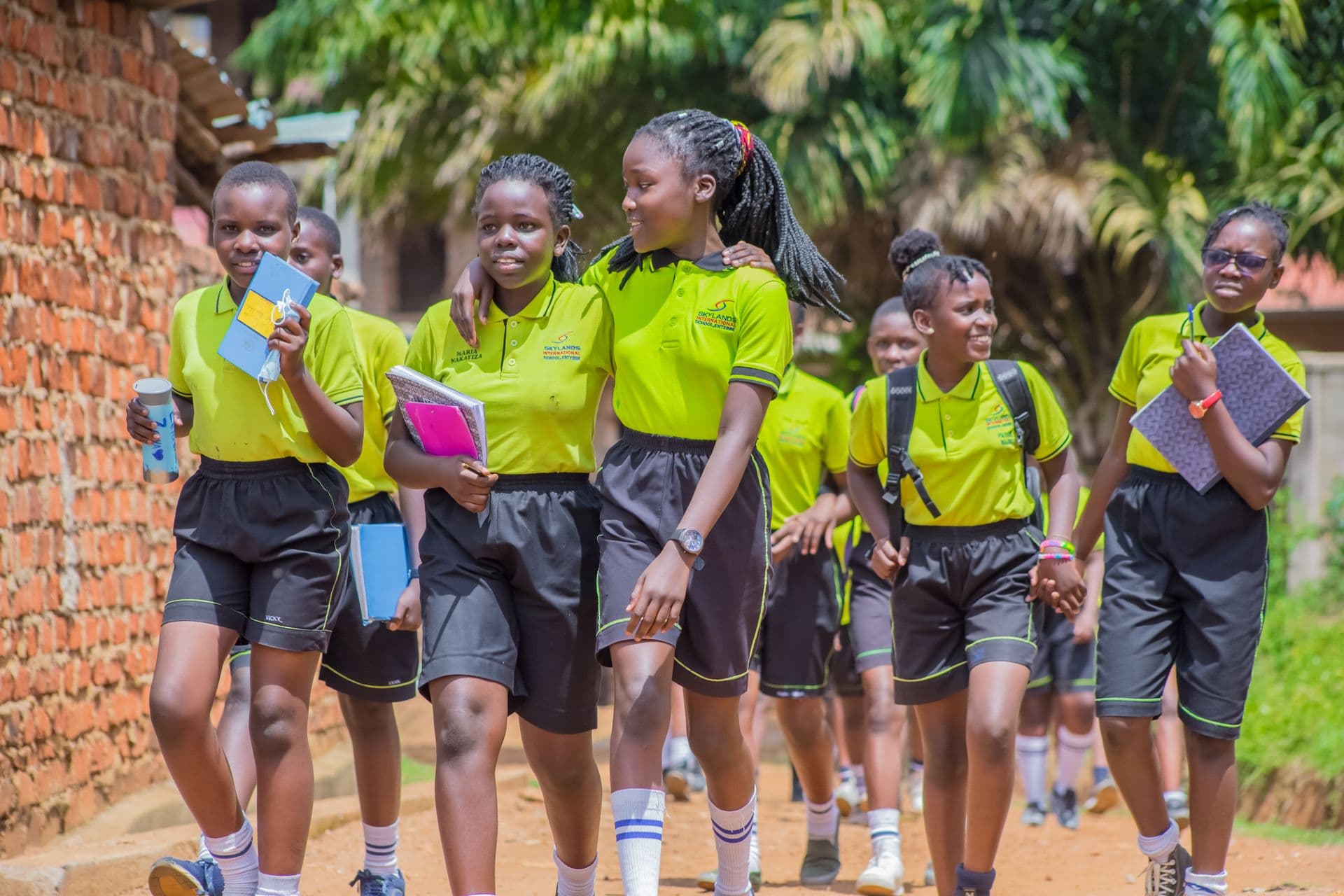
The most powerful impact of foundational literacy is that it doesn’t stay confined to the four walls of a school. On the winding dirt paths connecting her home in Gakenke to her school, Grace now pauses to read public health signs, shop names, and market signposts aloud.
“Before, I used to walk by and wonder what the black markings on the signs said,” Grace smiles shyly. “Now I read them to my friends as we walk home. And every evening after dinner, I sit with my little brother and read our decodable storybook to him.”
Looking Ahead: A Generation Learning with Confidence
Grace’s transformation is one of thousands unfolding across 640 partner primary schools in seven districts. When a child masters reading by Grade 3, their trajectory through upper primary, secondary school, and future employment is permanently altered.
“I want to be a teacher when I grow up,” Grace says firmly. “I want to teach children that reading is not hard once you know the sounds.”
Foundational learning
Every child reading with understanding by the end of lower primary — through better teaching, better materials, and structured support in the classroom.