Clear answers to common questions about LIFT Rwanda’s foundational learning programmes, teacher coaching cadences, disability screenings, school partnerships, child safeguarding, and career opportunities.
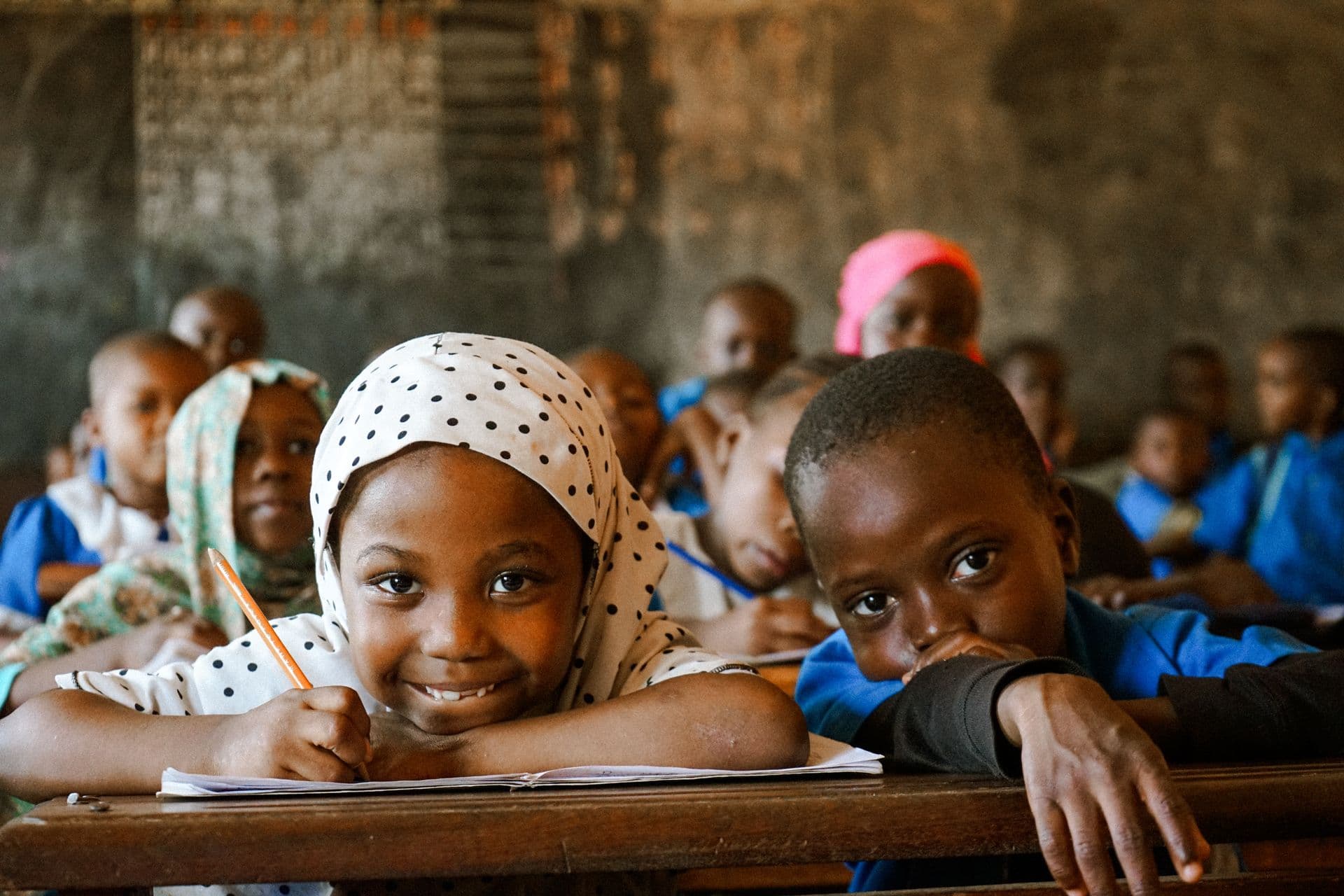
Over 640 public schools equipped with daily teacher coaching & decodable readers
Showing 24 questions
Background, institutional governance, ministerial mandate, strategic milestones, and fraud protection notices.
Learning and Inclusion for Transformation (LIFT) is a systemic primary education reform programme led by the Government of Rwanda through the Ministry of Education (MINEDUC) and the Rwanda Basic Education Board (REB).
The programme directly targets 640 primary schools across seven districts, reaching over 120,000 learners in Primary 1 through Primary 3. LIFT focuses on transforming foundational literacy and numeracy with an unyielding priority for girls, children with disabilities, and pupils in remote rural communities.
Explore our structured phonics sequences, classroom reading corners, and continuous mentoring delivered across seven high-need districts.
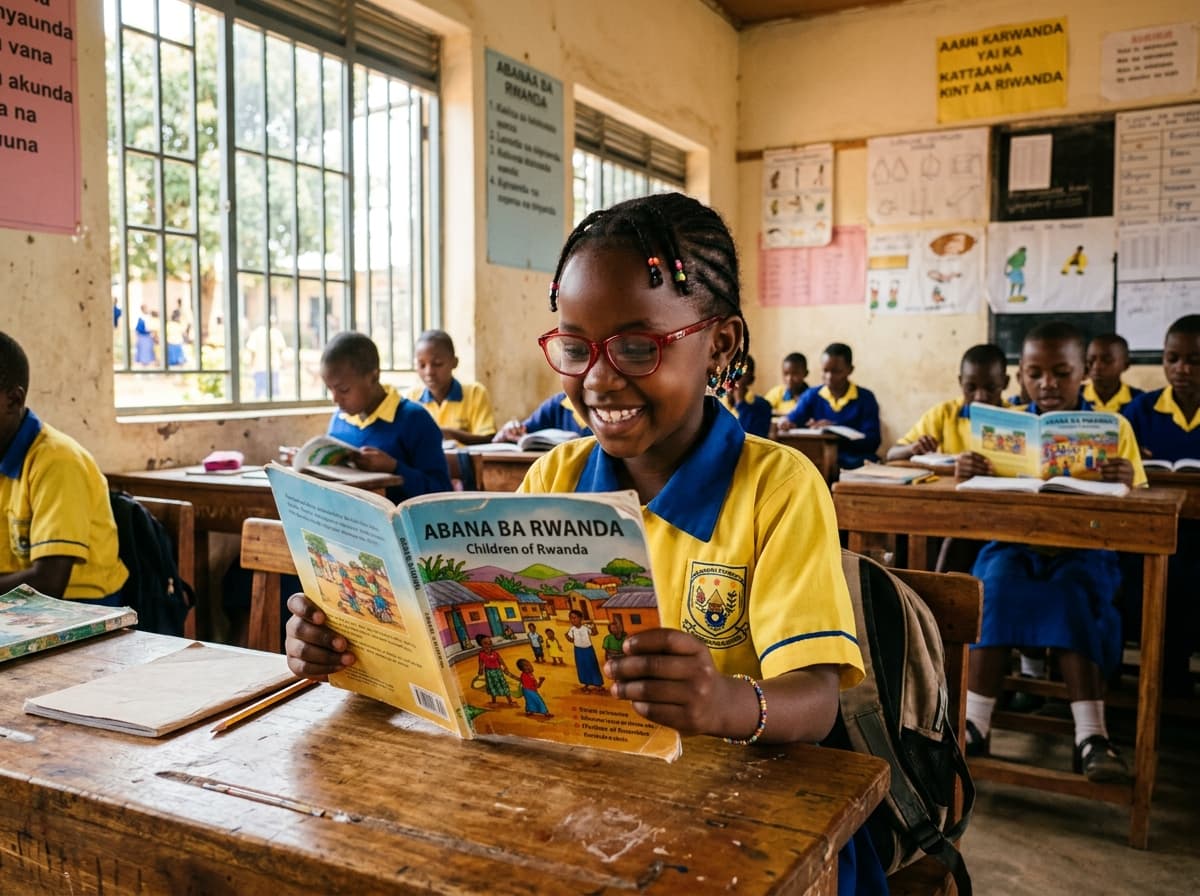
Classroom delivery, decodable text distribution, teacher coaching cadences, and student assessment frameworks.
The Foundational Learning Programme (FLP) is LIFT's primary classroom initiative spanning Primary 1 to Primary 3. It operationalizes structured pedagogy, providing teachers with daily scripted lesson sequences, decodable readers, and diagnostic checks.
Rather than memorization, FLP emphasizes explicit phonological awareness, letter-sound correspondence, blended syllable pronunciation, and decodable sentence reading in both national languages.
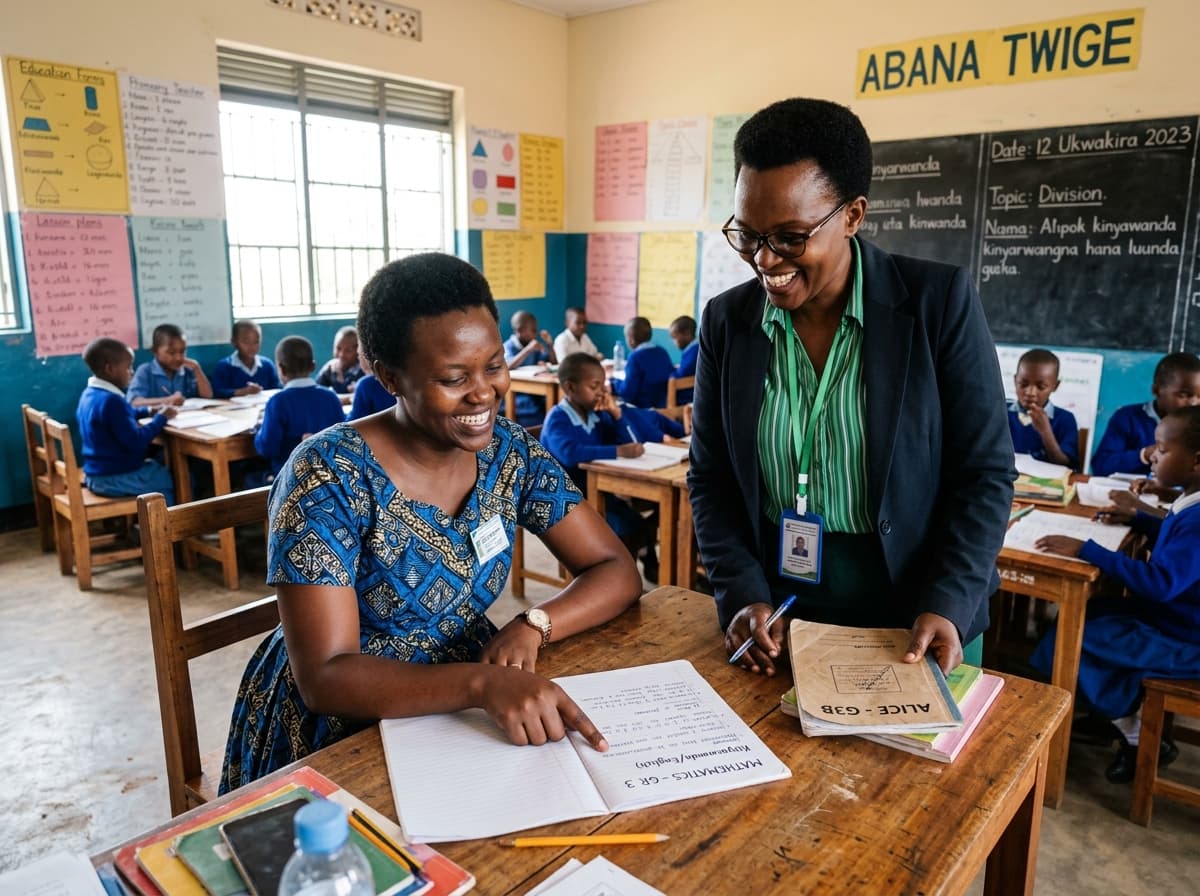
Discover how our clinical sensory screening camps identify vision and hearing needs early, providing completely free assistive devices and disability-affirming pedagogy.
Universal design for learning, functional disability screenings, girl-child retention, and zero-tolerance safeguarding standards.
District eligibility, development partner collaboration, research data access, and institutional alignments.
Employment opportunities, selection processes, graduate internships, and volunteer community circles.
Our national coordination office and district teams are ready to assist with pedagogical inquiries, school expansion proposals, media requests, or academic research partnerships.