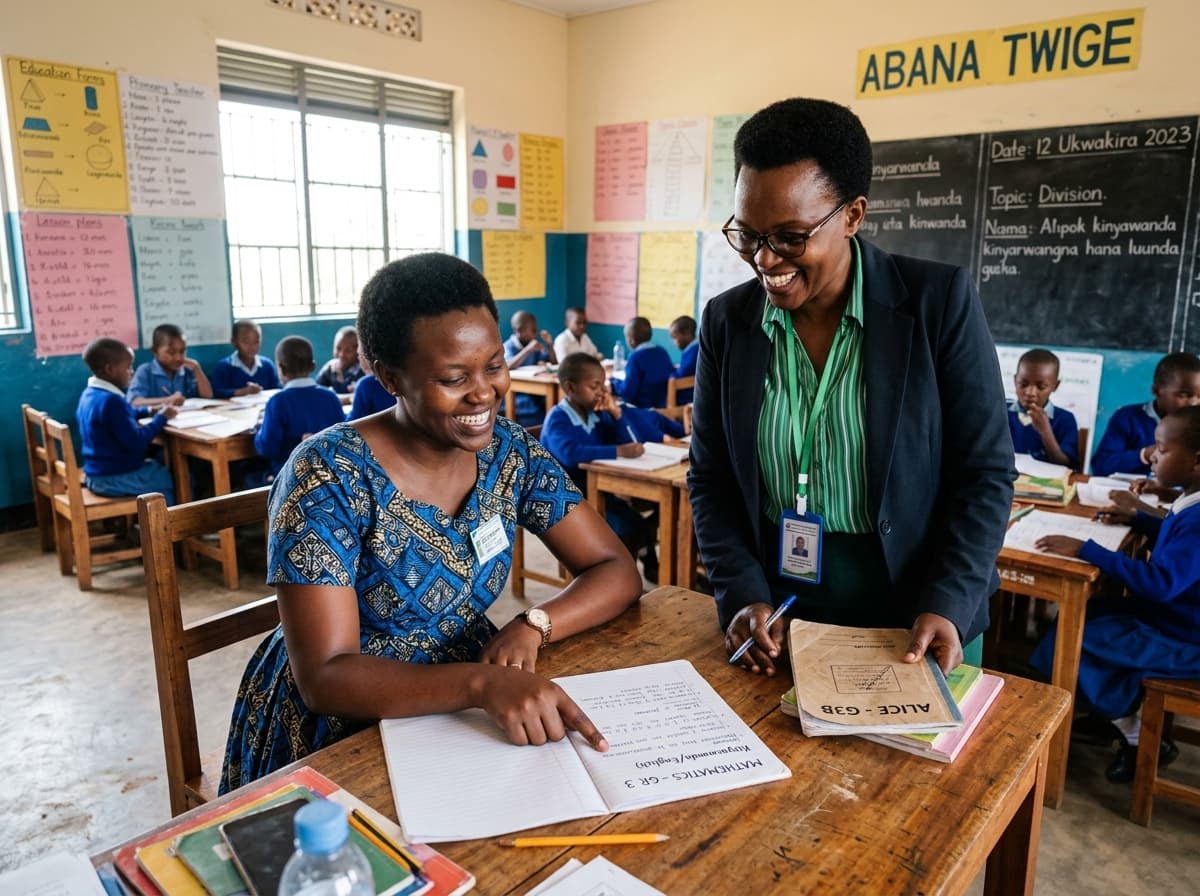
Across 640 primary schools in Rwanda, school-based coaches and Sector Education Inspectors have officially concluded their first term of intensive classroom mentoring under the LIFT Foundational Learning Programme.
Moving Beyond One-Off Workshops
Historically, teacher professional development across sub-Saharan Africa has relied on cascade training models: teachers attend offsite weekend conferences, receive binders of theory, and are expected to implement new curricula upon returning to crowded classrooms. Evidence shows that less than 10% of workshop content translates into actual instructional change.
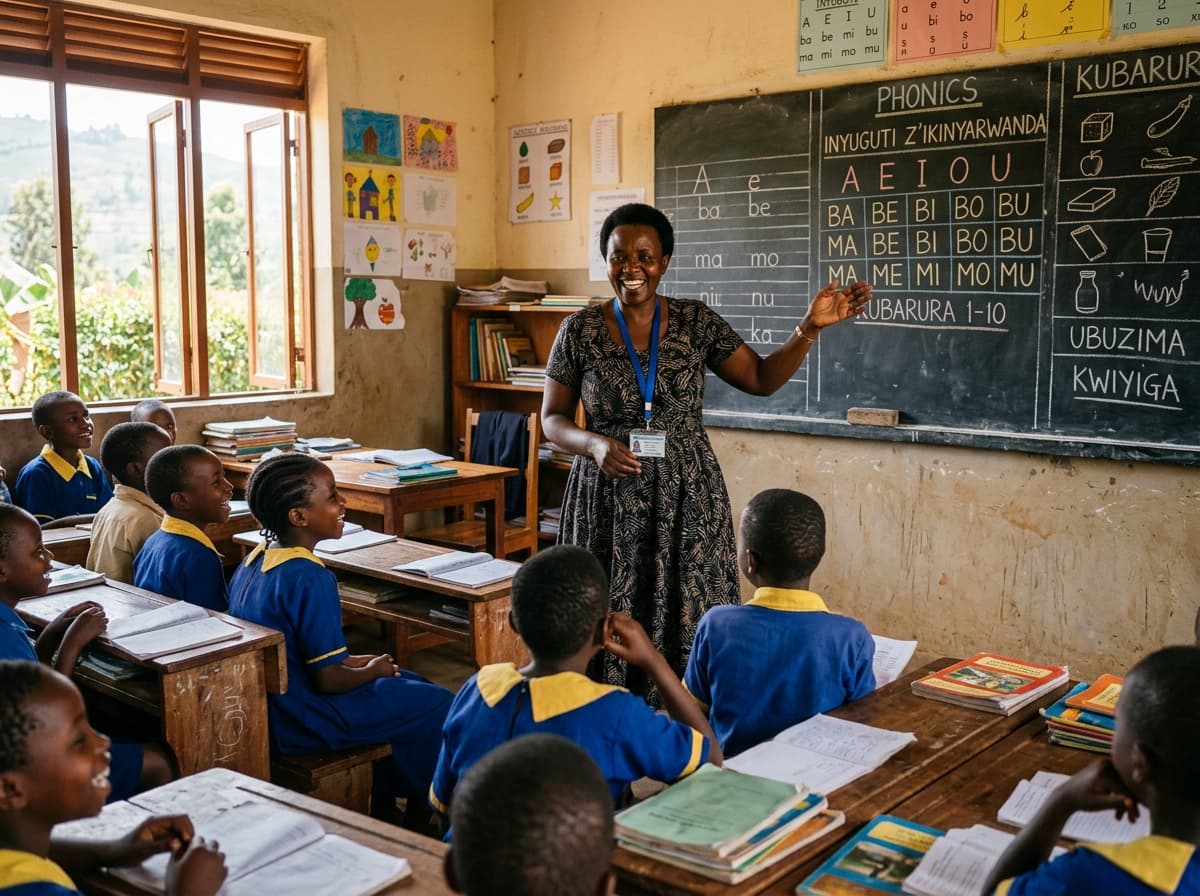
LIFT's classroom-based coaching flips this model on its head. Instead of pulling teachers out of schools, master trainers and pedagogical inspectors visit teachers directly in their active classrooms every two weeks, observing lessons with a standardized, constructive rubric and providing immediate, bite-sized feedback.
“The biggest breakthrough has been observing teachers with their actual pupils. Instead of abstract lectures, coaches model high-engagement phonics routines for ten minutes, then observe the teacher lead the next routine with immediate, encouraging feedback.”
Key Milestones Achieved in Term 1
Throughout the 12-week school term, the coaching initiative reached significant scale across all seven partner districts:
- 4,200+ primary teachers actively mentored across Grades P1, P2, and P3.
- 14,800 in-class observation sessions conducted by certified coaches and Sector Education Inspectors.
- 92% adoption rate of daily 15-minute decodable reading routines in observed classrooms.
- Formative check-ins integrated: 88% of teachers now regularly conduct one-minute individual oral reading checks to identify pupils requiring remedial support.
Tackling Practical Classroom Realities
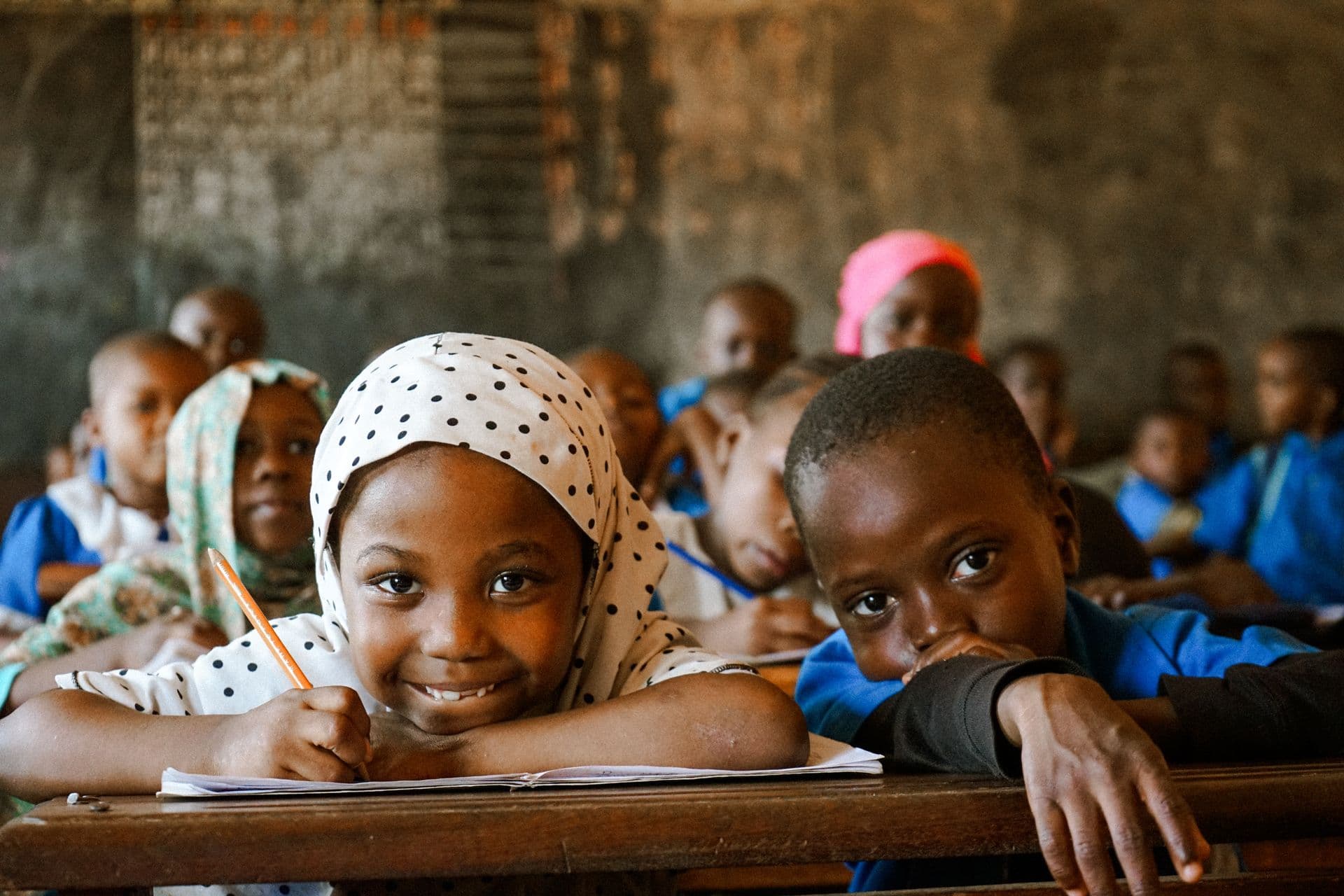
Classrooms in rural primary schools frequently hold between 45 and 65 pupils. In such environments, traditional lecture-style teaching leaves struggling learners behind unnoticed. Coaches worked closely with educators to establish high-engagement choral response routines, pair-reading buddies, and visual hand gestures that keep all pupils actively participating simultaneously.
“Before the coaching cycles, I struggled to know whether quiet children in the back rows were actually decoding or just echoing the loudest voices,” explains Beatrice Mukandayisenga, a Primary 2 teacher in Gakenke. “My coach showed me how to use silent thumb signals and rapid mini-whiteboard checks. Now every single child shows their answer, and I can spot misconceptions in seconds.”
Looking Ahead: Deepening Numeracy and Peer Communities
As schools prepare to enter Term 2, the coaching framework will expand from early-grade literacy into concrete foundational numeracy (Concrete-Representational-Abstract mathematics routines). Furthermore, schools will launch monthly Teacher Communities of Practice (CoP), enabling educators within the same school cluster to review learner assessments and plan lessons collaboratively.
Watch: how this looks in the classroom
A short film from LIFT partner schools showing the routines and support described in this story.
- #Rwanda
- #education