Community · In person
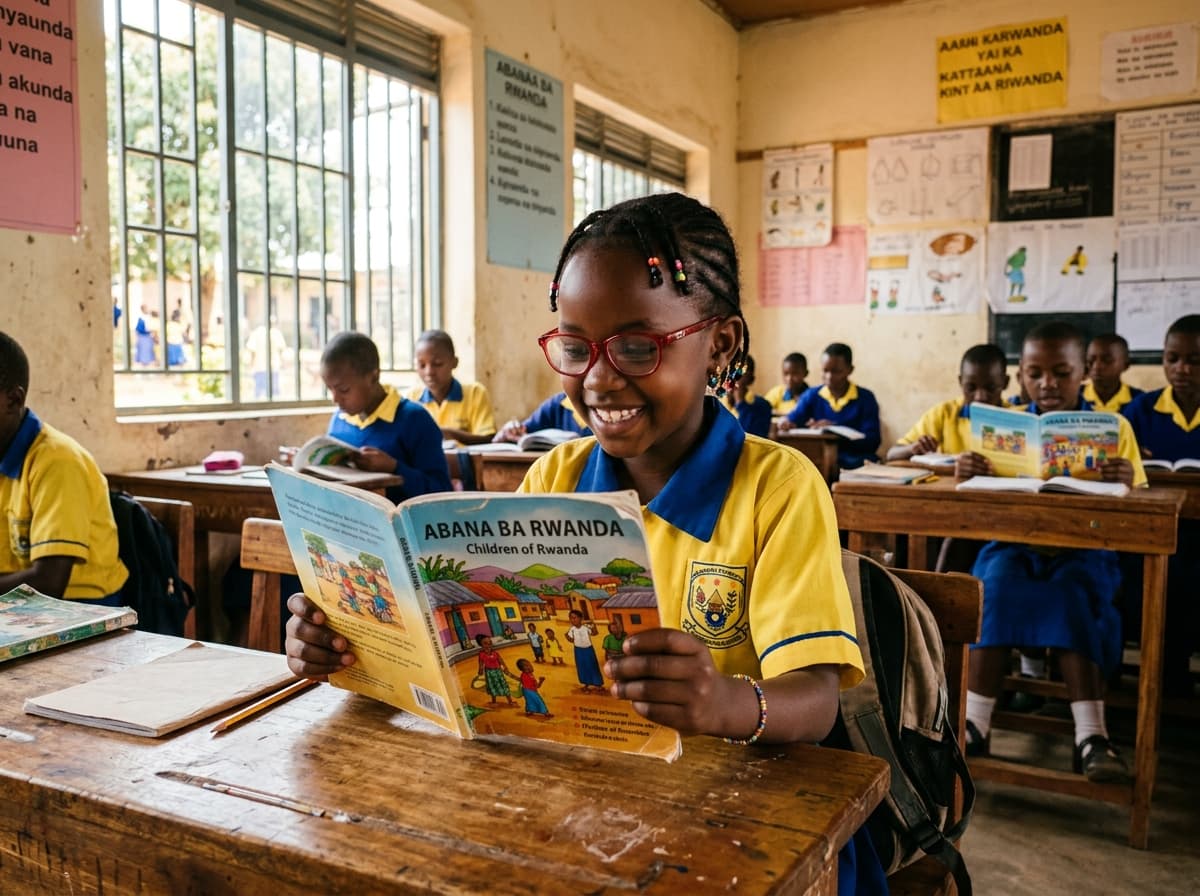
Graded readers are only useful if every pupil can reach them. This launch handed over school sets, showed teachers how the levels work, and agreed how books will be shared and kept safe.
The day was held at Gakenke Sector Education Office with district education staff and LIFT literacy specialists.
The room was full from the start. Head teachers arrived with their own lists of pupils who still could not read, and spent the morning testing the readers on the spot. By lunch every school had signed for its books, and the afternoon turned into a planning session on how the books would stay in circulation.
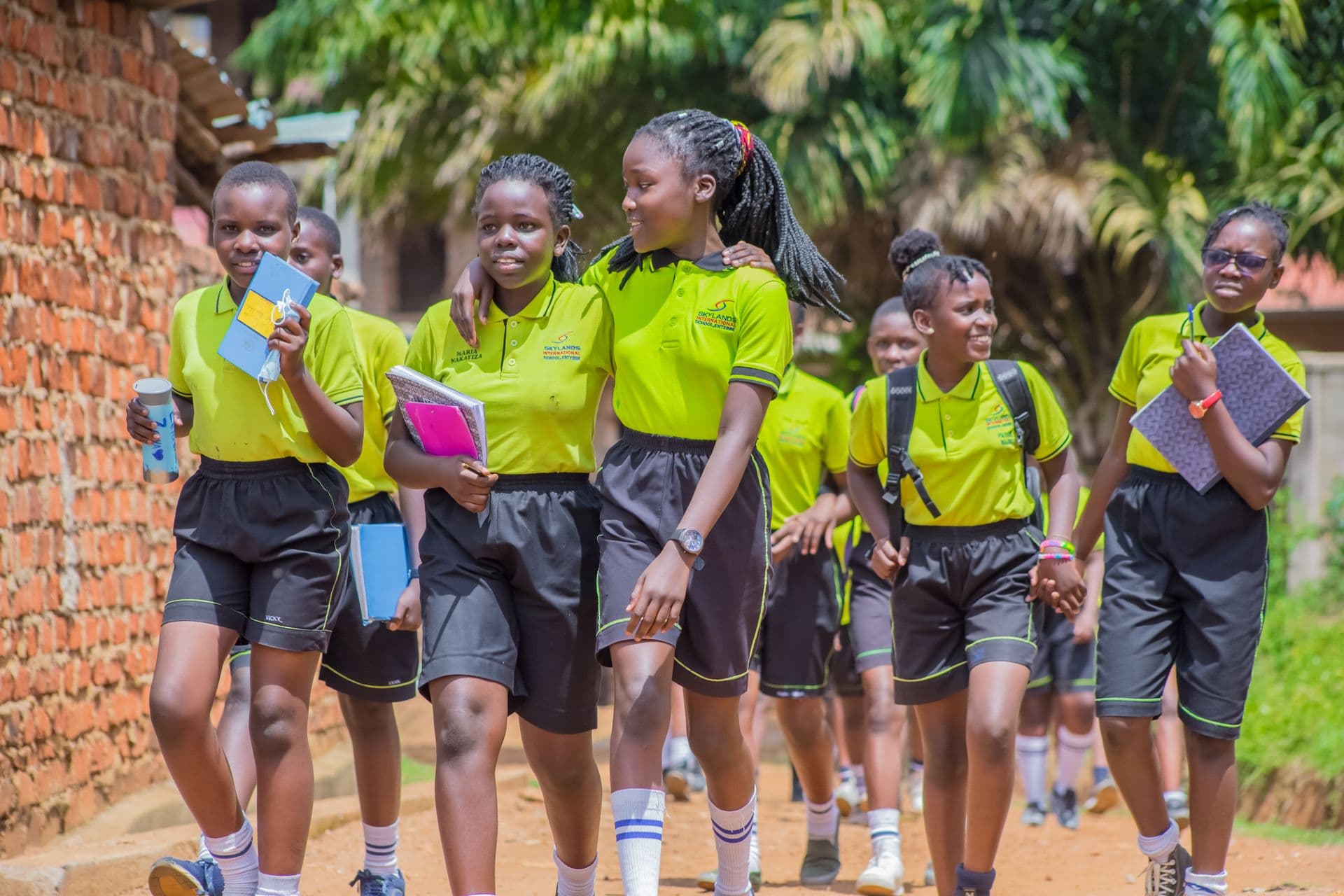
Teachers, head teachers and pupils on the day books reached their schools.
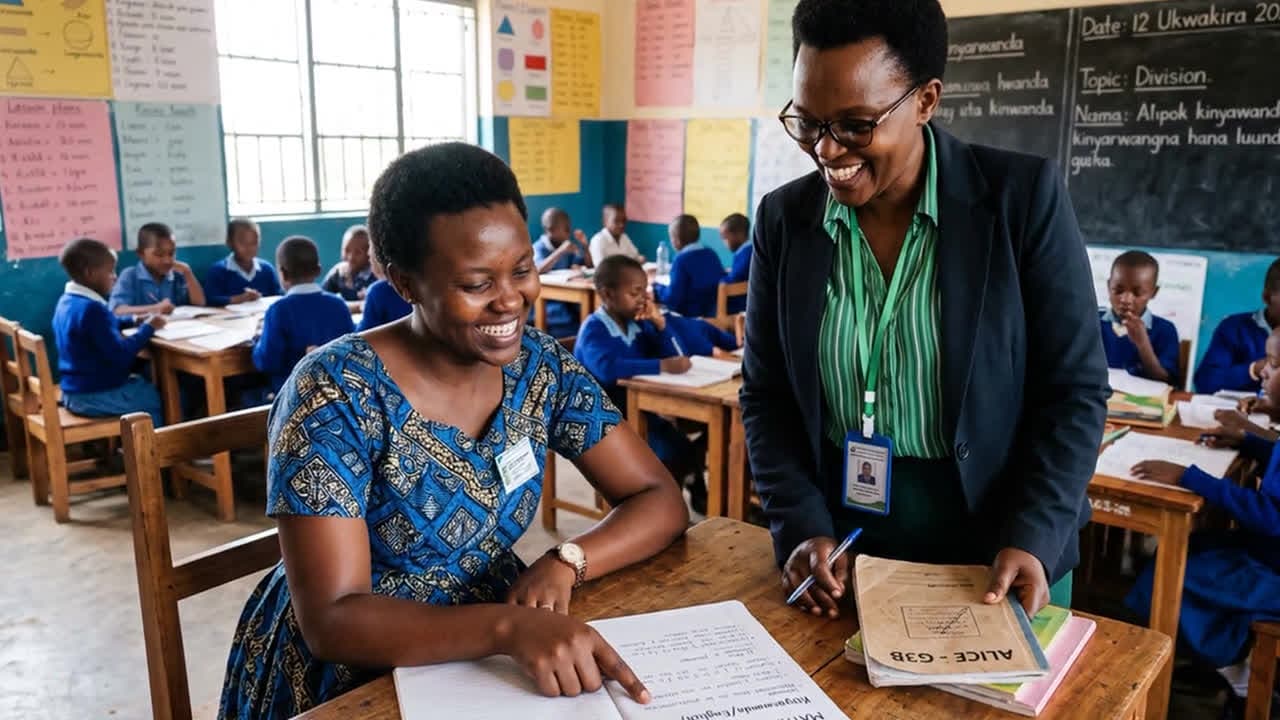
Put a full set of levelled Kinyarwanda readers into every partner school in the district.
Show teachers how to place each pupil at the right reading level.
Agree simple rules for sharing, storing and repairing books.
Start take-home book bags so children can read with family.
All 38 partner schools left with a full set and a signed handover.
112 teachers practised placing pupils at the right reading level.
Schools agreed a simple borrowing record and a book monitor in each class.
Take-home bags will begin in the first week of term.
Teachers began by reading aloud to each other, then tested pupils from the host school to see which level suited each child. It made the levels real before anyone touched the books.
See the agenda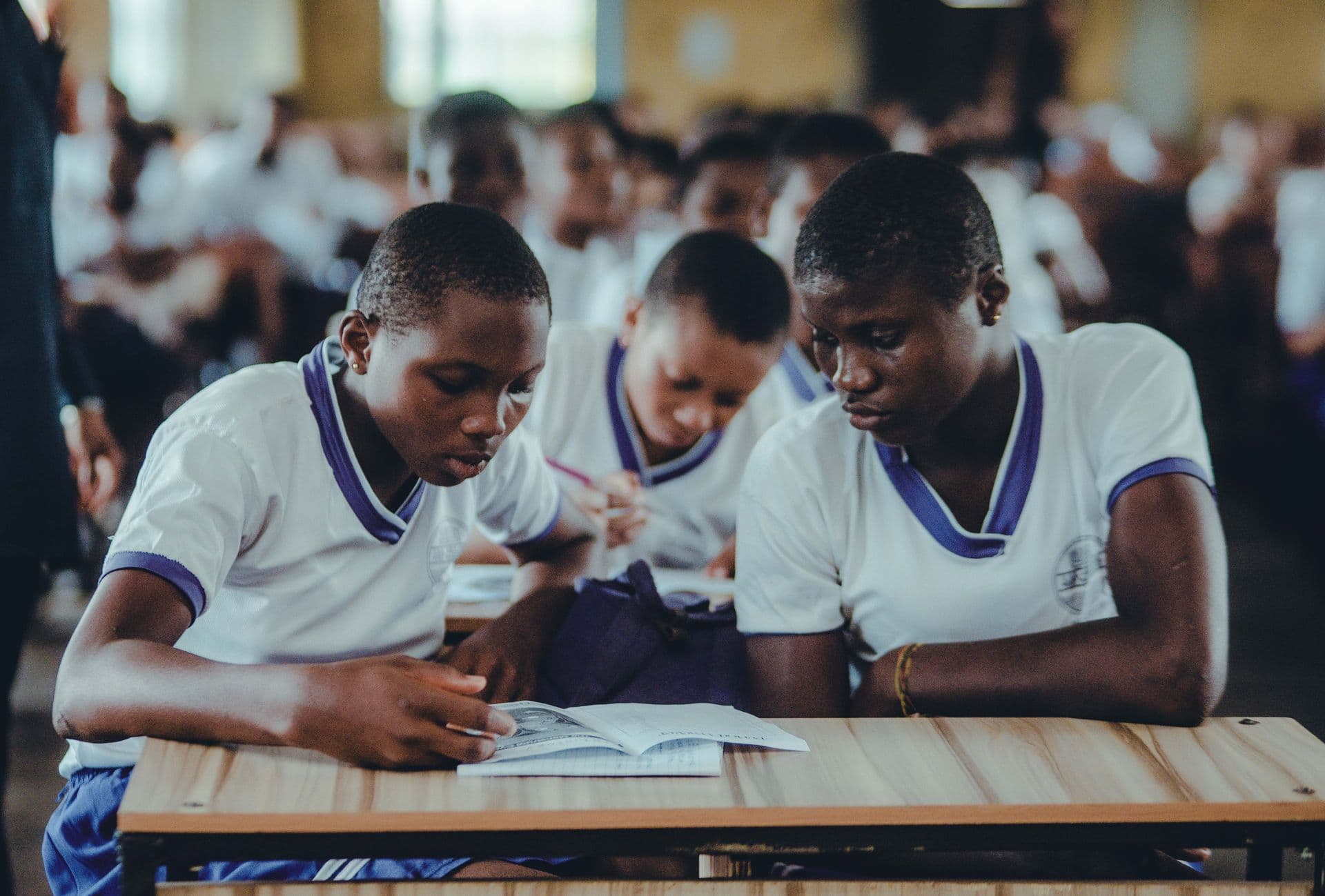
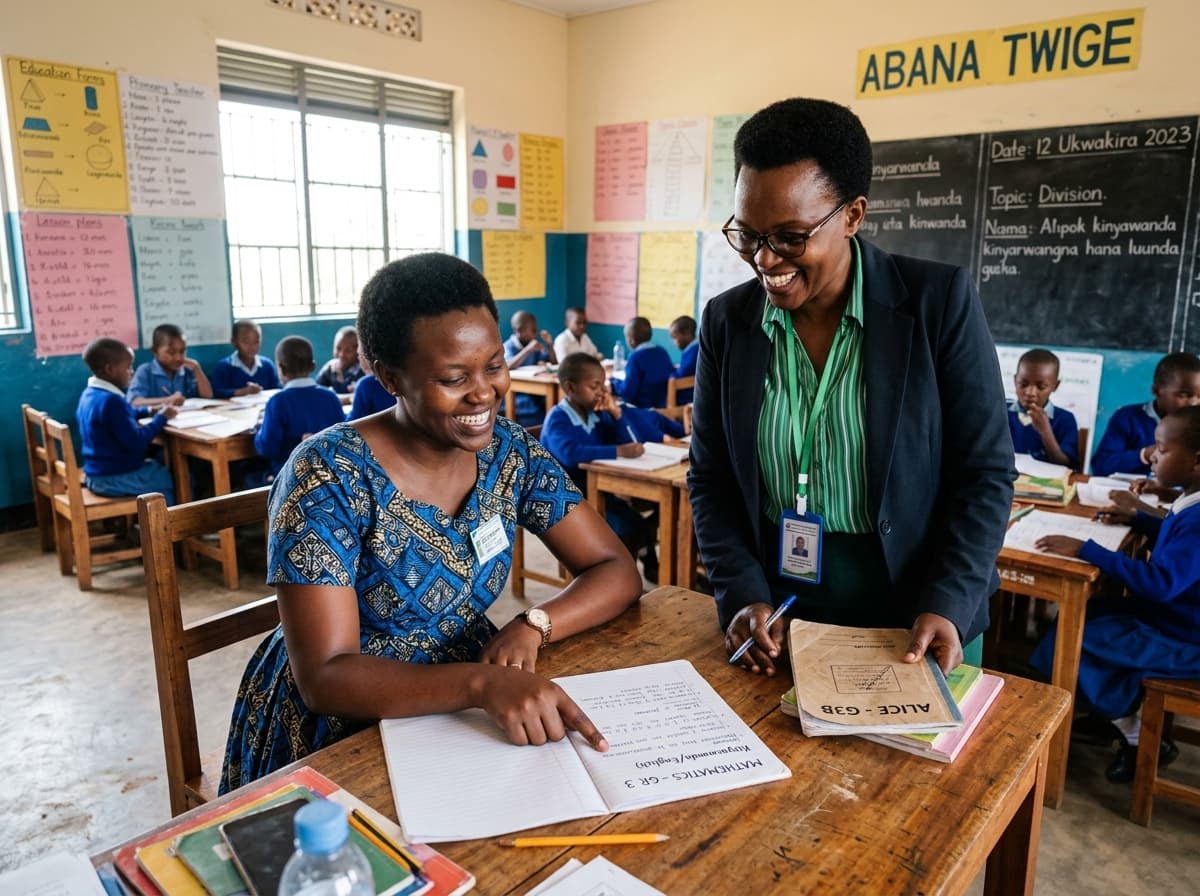
In small groups, literacy specialists coached teachers on listening to a child read and noting mistakes. Several head teachers said this was the first time they had watched a reading check from start to finish.
See the photosIn the afternoon each school wrote a one-page plan: where books will be kept, who will look after them, and when pupils can borrow. Plans were shared and copied by neighbouring schools.
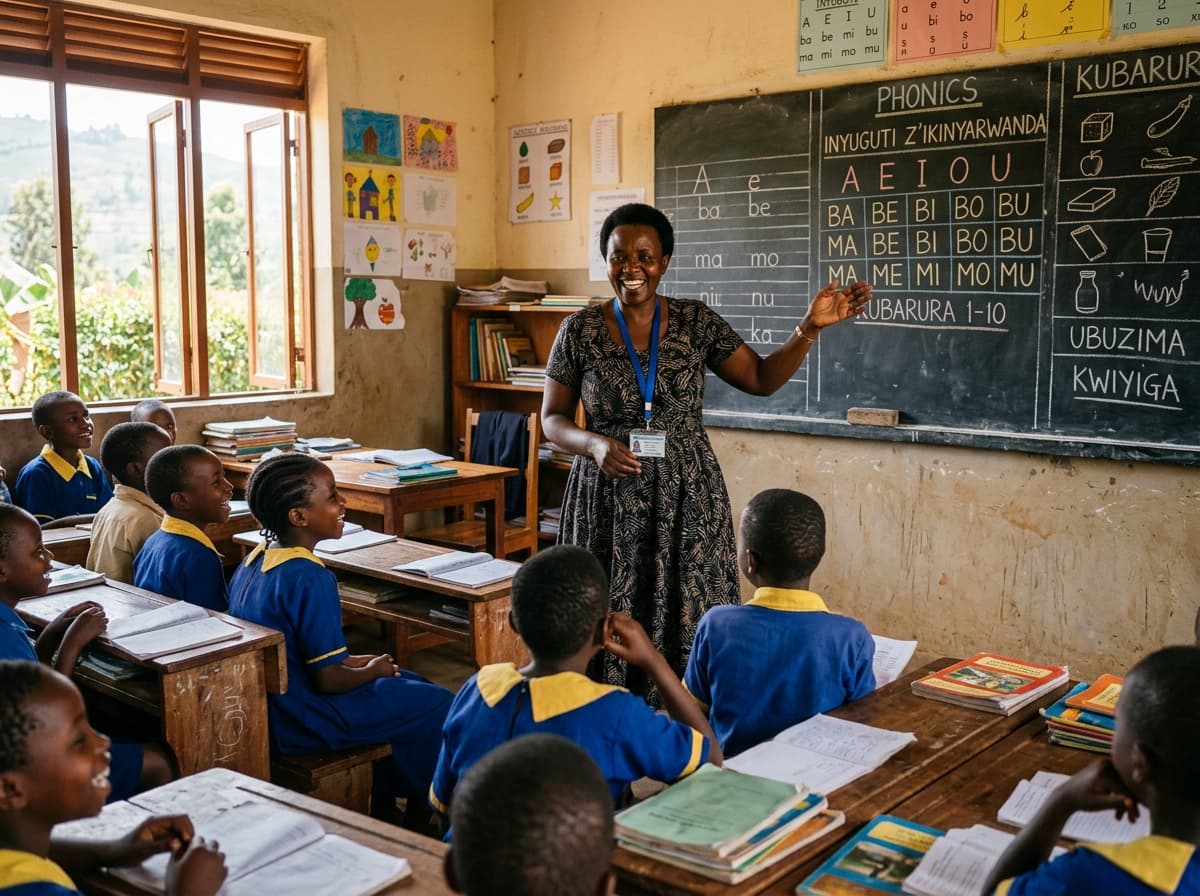
Read through the detailed agenda to learn more about the speakers and the sessions during the event. Times are in Central Africa Time (CAT).
Download the agenda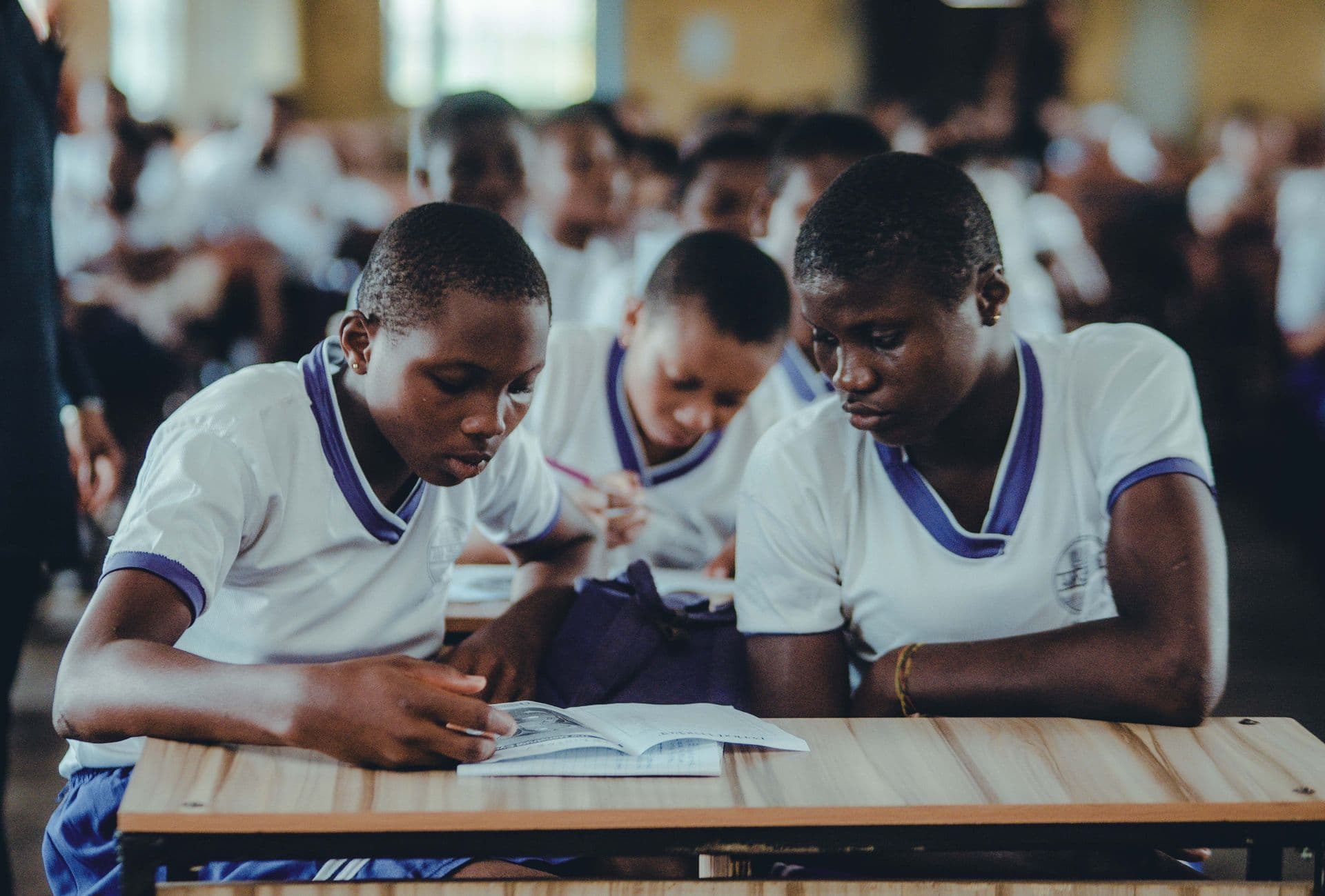
Introducing the LIFT Learning newsletter from LIFT Rwanda.
In each issue we share evidence, stories and honest analysis from our work helping every Rwandan child learn to read and count.